Fact-check: Does AstraZeneca Vaccination Years Ago Still Pose a Risk of Blood Clots?
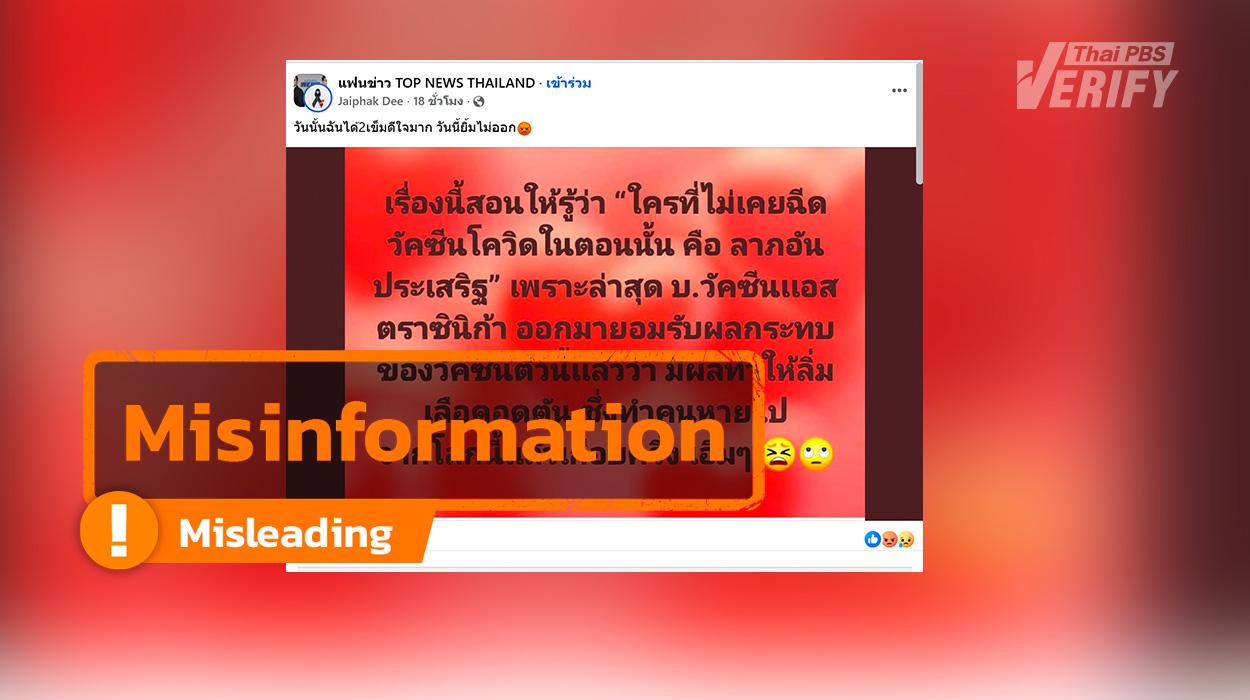
Thai PBS Verify traced the source of the misleading claim to Facebook
A post claimed that the AstraZeneca COVID-19 vaccine causes blood clots and stated:
“Withdrawn from global sales! AstraZeneca vaccine after being found to cause blood clots. It is true that the AstraZeneca COVID vaccine causes blood clots. AstraZeneca submitted a statement to the UK High Court, admitting that their viral vector COVID-19 vaccine can cause a rare side effect: Thrombosis with Thrombocytopenia Syndrome.”
The post was published on August 24, 2026, and had received more than 1,800 likes and 996 shares.
Similar posts were also found making more extreme claims, including that the vaccine had “wiped out nearly half the people from this world.” One such post stated:
“This story teaches us that ‘those who were never vaccinated against COVID-19 back then have been truly blessed,’ because recently, the AstraZeneca vaccine company admitted the impact of this vaccine, stating it causes blood clots which have wiped out nearly half the people from this world. Hmm.”
Other video clips were also circulated in an apparent attempt to provoke fear. Some were accompanied by promotional messages for health insurance, including claims about the financial risks associated with stroke, heart disease, severe disability and other critical illnesses.
The promotional material encouraged viewers to consider purchasing critical illness insurance to cover medical expenses, family expenses or income replacement during periods away from work.
The claim was also reviewed by Thai fact-checking sources, including Assoc. Prof. Jessada Denduangboripant and Cofact Thailand, which provided information about the risks and adverse reactions associated with COVID-19 vaccines.
Does the AstraZeneca Vaccine Cause Blood Clots and Low Platelet Counts?
Available medical evidence indicates that adenoviral vector vaccines, including the AstraZeneca vaccine, are associated with Thrombosis with Thrombocytopenia Syndrome (TTS), although the condition is very rare.
Symptoms generally appear within approximately 3–4 weeks after vaccination, and medical guidelines are available for diagnosis and treatment when the condition occurs.
Evidence from the European Medicines Agency
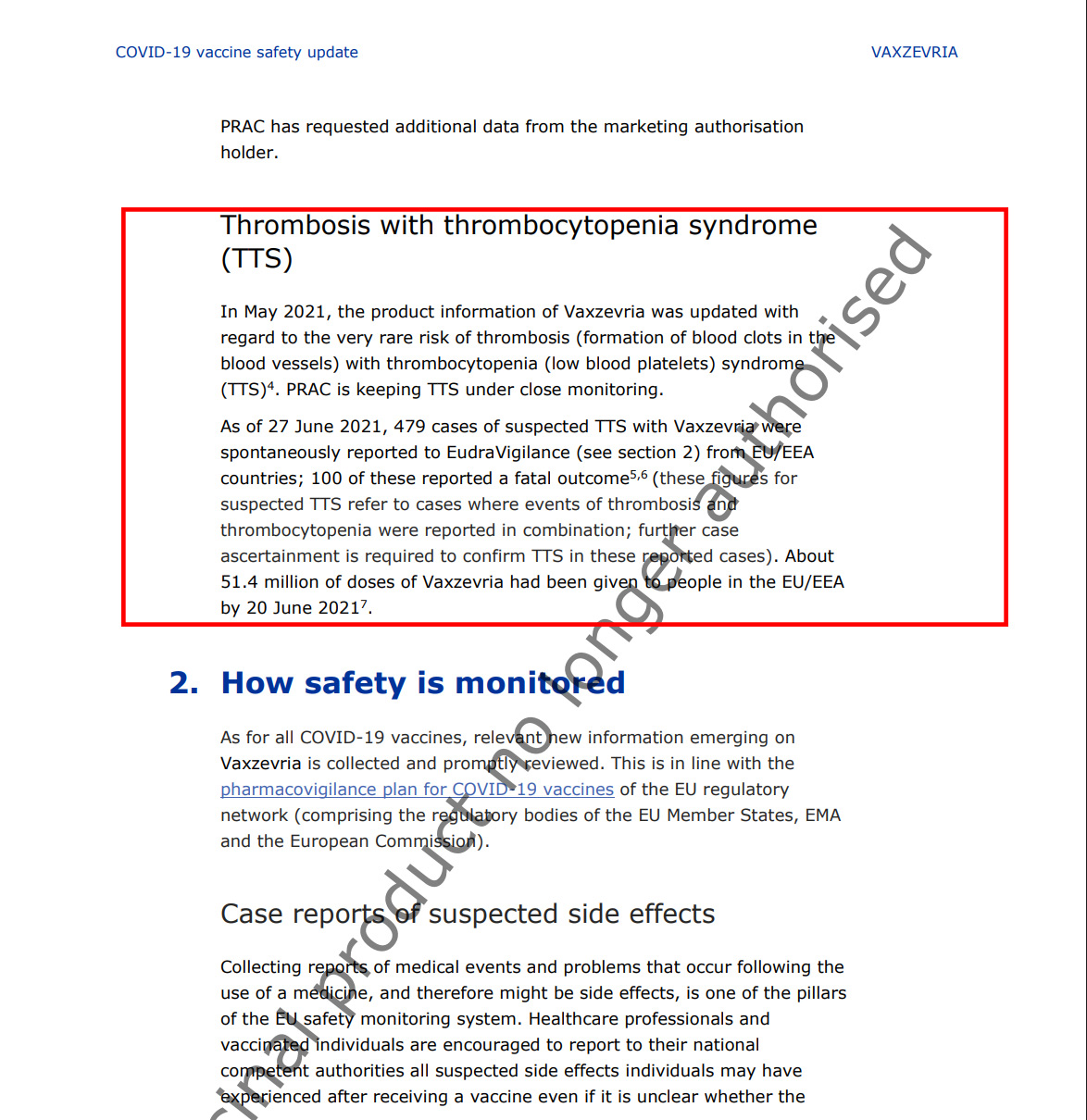
- A report issued by the European Medicines Agency (EMA) on July 14, 2021, stated that Vaxzevria, the commercial name of AstraZeneca’s COVID-19 vaccine, was associated with TTS. The EMA identified TTS as a rare adverse reaction following vaccination with Vaxzevria.
As of June 27, 2021, there had been 479 suspected TTS cases in EU/EEA countries and 100 reported deaths among approximately 51.4 million administered doses. However, the figures referred to suspected cases, and further investigation was required to confirm each diagnosis at the time of the report.
Evidence from the UK Medicines Regulator
- The product information for Vaxzevria, last updated in November 2023 by the UK’s Medicines and Healthcare products Regulatory Agency (MHRA), states that TTS, sometimes accompanied by bleeding, occurs very rarely following vaccination.
The condition can involve severe cases of venous thrombosis, including thrombosis in unusual locations such as cerebral venous sinus thrombosis and splanchnic vein thrombosis, as well as arterial thrombosis occurring together with low platelet counts.
Some cases have been fatal. Most cases occurred within the first three weeks after vaccination, although cases occurring after that period have also been reported.
WHO Information on TTS
The WHO states that adenoviral vector COVID-19 vaccines such as AstraZeneca’s are subject to special monitoring for certain adverse events, particularly TTS, which is severe but very rare.
TTS typically occurs within 4–30 days after vaccination and is reported even less frequently following a second dose.
The vaccines in this group include those developed by AstraZeneca, Janssen (Johnson & Johnson), Gamaleya (Sputnik V) and CanSino Biologics.
Other adverse events of special interest include Immune Thrombocytopenic Purpura (ITP) and Guillain-Barré Syndrome (GBS).
TTS is a severe but very rare blood-clotting disorder involving blood clots together with a low platelet count. Symptoms generally begin within 4–30 days after vaccination.
The WHO reported an estimated incidence of approximately two cases per 100,000 vaccinated individuals after the first dose. The risk following a second dose of the AstraZeneca vaccine appeared to be substantially lower, at fewer than 0.5 cases per 100,000 vaccinated individuals.
Younger women and people under 60 appeared to have a slightly higher risk of severe TTS outcomes because they were more likely to develop clots in unusual locations, such as the brain or abdomen.
Thailand Reported Approximately One Case per 5 Million Doses
The Department of Medical Sciences, Ministry of Public Health, reported on July 23, 2021, that Thailand had identified one case of Vaccine-induced Immune Thrombotic Thrombocytopenia (VITT) among 5,360,745 administered doses of the AstraZeneca vaccine. This represented an incidence of approximately one case per 5 million doses.
The incidence was lower than figures reported internationally, which were approximately one case per 125,000 to one case per 1 million doses, making the reported incidence in Thailand approximately 5–40 times lower than that reported in Western countries.
The department also emphasized that Thailand had established systems for diagnosing and treating such conditions.
How Does TTS Develop After Vaccination?
According to WHO information, TTS results from an immune reaction in which the body produces antibodies that bind to platelet factor 4 (PF4), a protein associated with platelets.
This reaction can cause platelets to become overactivated and clump together abnormally, resulting in the formation of blood clots. As platelets are consumed in the process, the platelet count in the blood decreases, resulting in Thrombosis with Thrombocytopenia Syndrome (TTS).
TTS is recognized as a very rare adverse event associated with adenoviral vector COVID-19 vaccines such as AstraZeneca’s.
The EMA also issued guidance concerning blood clots and low platelet counts following vaccination with Vaxzevria. Its Committee for Medicinal Products for Human Use (CHMP) advised healthcare professionals to:
- Not administer Vaxzevria to individuals who have previously experienced TTS following vaccination.
- Monitor individuals for signs of blood clots if they develop low platelet counts within three weeks after vaccination.
- Monitor individuals for signs of low platelet counts if they develop blood clots within three weeks after vaccination.
- Ensure that patients who develop TTS following vaccination receive appropriate care from medical specialists.
Although TTS following vaccination is very rare, the EMA recommends that the public remain aware of potential symptoms and seek timely medical attention when necessary.
Diagnostic and Treatment Guidelines
The WHO has issued guidance for healthcare professionals on the diagnosis and treatment of TTS. The guidance recommends monitoring, diagnosing and managing suspected cases and advises that symptomatic individuals, particularly those presenting within 3–30 days after vaccination, should be promptly assessed for blood clots and low platelet counts.
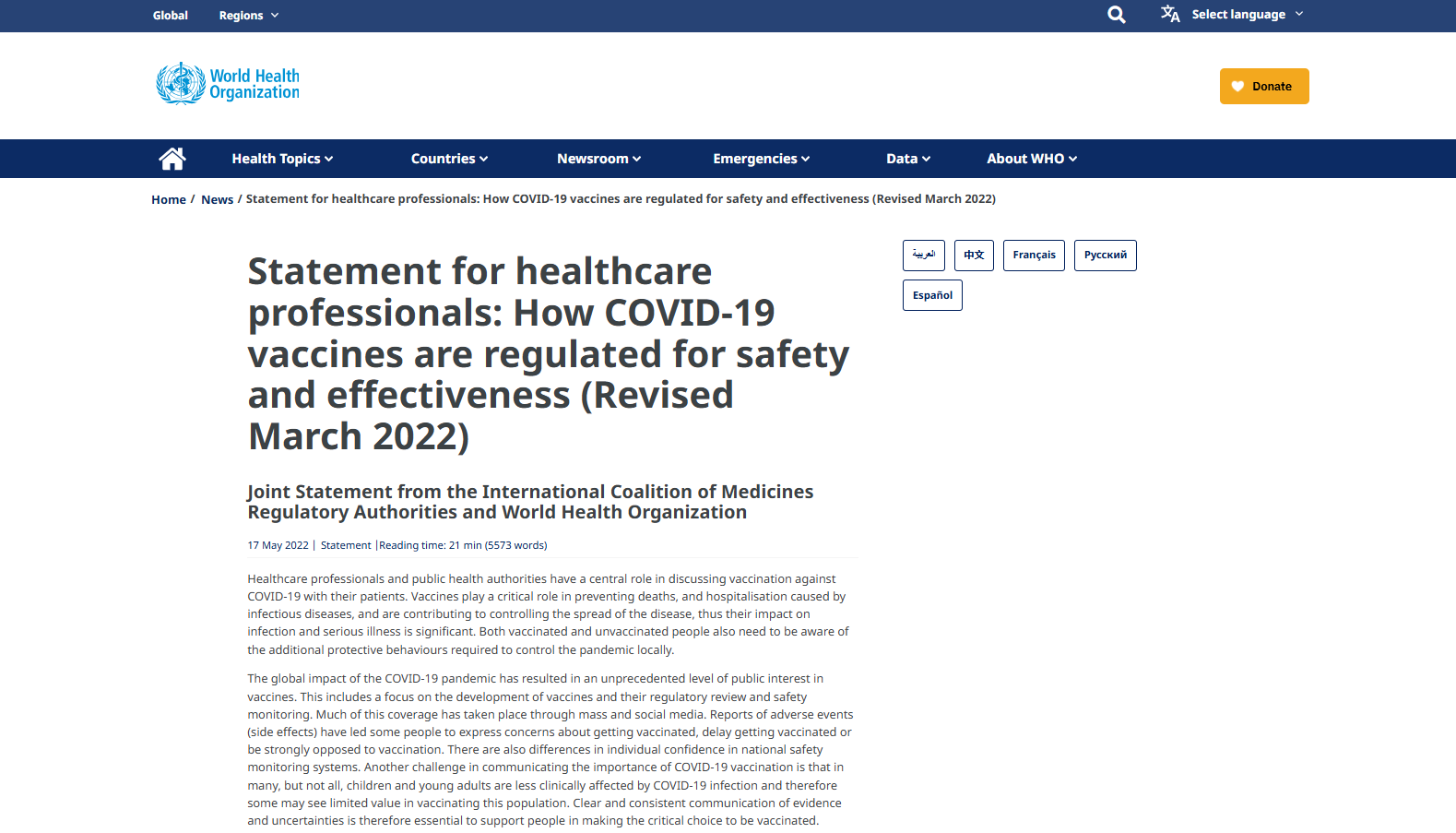
The WHO reported that the AstraZeneca vaccine was 72% effective in preventing symptomatic SARS-CoV-2 infection based on an analysis of individuals who received two doses administered 4–12 weeks apart
At the same time, TTS was identified as a very rare adverse event. In countries where SARS-CoV-2 transmission remained ongoing, the WHO stated that the benefits of COVID-19 vaccination substantially outweighed the risks associated with TTS.
Expert: TTS Is Highly Unlikely 2–3 Years After Vaccination
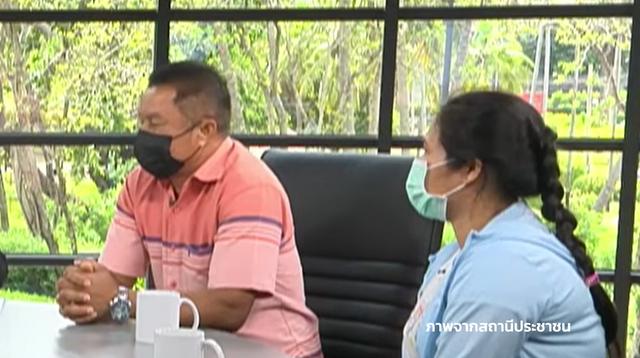
Prof. Emeritus Dr. Amorn Leelarasamee, an infectious disease physician and member of the Medical Council, told Thai PBS Verify that the likelihood of developing TTS attributable to the vaccine two to three years after vaccination is extremely low.
He explained that TTS is a complication that can occur in some individuals during the period following vaccination, when an immune reaction may develop, generally within the first one to three months.
Once that period has passed, the vaccine and its related components have been degraded or eliminated from the body, meaning that the expected window for vaccine-related complications has closed.
Biodistribution study data available through PubMed also indicate that following administration of an adenovirus-vector vaccine such as AstraZeneca’s, the viral vector cannot replicate. Its function is to deliver genetic material that instructs cells to produce the spike protein.
The vector’s genetic material does not integrate into human DNA. Once the cells have produced the protein, the vaccine’s genetic material is naturally degraded or eliminated through cellular processes and does not permanently remain in the body.

Prof. Emeritus Dr. Amorn Leelarasamee Infectious Disease Physician and Member of the Medical Council
Why Did AstraZeneca Withdraw Vaxzevria in Europe?
On March 27, 2024, the European Commission withdrew the marketing authorization for Vaxzevria in the European Union at AstraZeneca’s request.
The company announced that it was permanently ending commercial availability of the vaccine for commercial reasons.
The EMA noted that withdrawal of a vaccine from the market for commercial reasons is not unusual, particularly when product use declines or when a company does not plan to adapt the product to currently circulating strains.
What Is the Truth?
Investigations by multiple medical organizations indicate that TTS is a very rare adverse event following vaccination with AstraZeneca’s vaccine.
Symptoms typically occur within 4–30 days after vaccination. Healthcare professionals are therefore advised to monitor for the condition and conduct prompt screening when relevant symptoms appear.
At the same time, the WHO stated that during the COVID-19 pandemic, the benefits of vaccination in preventing severe disease substantially outweighed the risks associated with TTS.
Verification Process
Review of Available Evidence
A review of available evidence found that adenoviral vector vaccines such as AstraZeneca’s are associated with TTS, although the condition is rare. Abnormal symptoms generally appear within approximately 3–4 weeks after vaccination, and medical guidelines are available for diagnosis and treatment.
Expert Consultation
Prof. Emeritus Dr. Amorn Leelarasamee, an infectious disease physician and member of the Medical Council, told Thai PBS Verify that the likelihood of developing TTS attributable to the vaccine two to three years after vaccination is extremely low.
According to the physician, the complication occurs in a small proportion of individuals shortly after vaccination, when an immune reaction typically develops within the first one to three months.
Impacts of Receiving Such Disinformation
Health Panic and Anxiety
People who received the AstraZeneca vaccine years ago may fear that they remain at risk of blood clots, despite the available evidence indicating that TTS generally develops within a limited period following vaccination.
Misguided Decision-Making
Alarmist information may be used to promote products or services, including health insurance, potentially encouraging consumers to make hasty purchasing decisions based on incomplete or distorted information.
Damage to Trust in the Public Health System
The spread of inaccurate information about vaccine safety may undermine public confidence in medical guidance and public health recommendations.
Proliferation of Disinformation in the Media Ecosystem
Sharing alarming content without verifying its accuracy can broaden the reach of misleading information, create confusion and increase the burden on healthcare professionals who must subsequently clarify the facts.
What to do with this misinformation?
Recommendations When Encountering False Information
Delay Forwarding Information
Do not forward, share or comment on posts claiming severe health effects until the information has been verified.
Verify Sources Through Official Agencies
Cross-check information with statements from public health authorities or medical fact-checking organizations, such as the Department of Medical Sciences, the World Health Organization (WHO) or anti-fake-news centers.
Consider the Context of the Content
Check whether a post contains commercial elements, such as insurance sales or advertisements for products and services. Such elements may provide important context for assessing the communication.
Consult Medical Professionals Directly
Anyone with health concerns or physical symptoms that may be associated with vascular disease should seek appropriate medical assessment and consult a qualified specialist at a healthcare facility for accurate medical information and guidance.

Related Content